
We Build Innovative Vessels and Outstanding Maritime Infrastructure.
We successfully cope with tasks of varying complexity, provide long-term guarantees and regularly master new technologies.
Get in touch
+90 538 556 55 08
+90 553 084 87 98
Aydıntepe Mahallesi 100.Yıl Caddesi Gülle Sokak No:14 Ofis: 2 Tuzla İstanbul Türkiye
Potential Strike at U.S. East and Gulf Coast Ports Could Disrupt Supply Chain
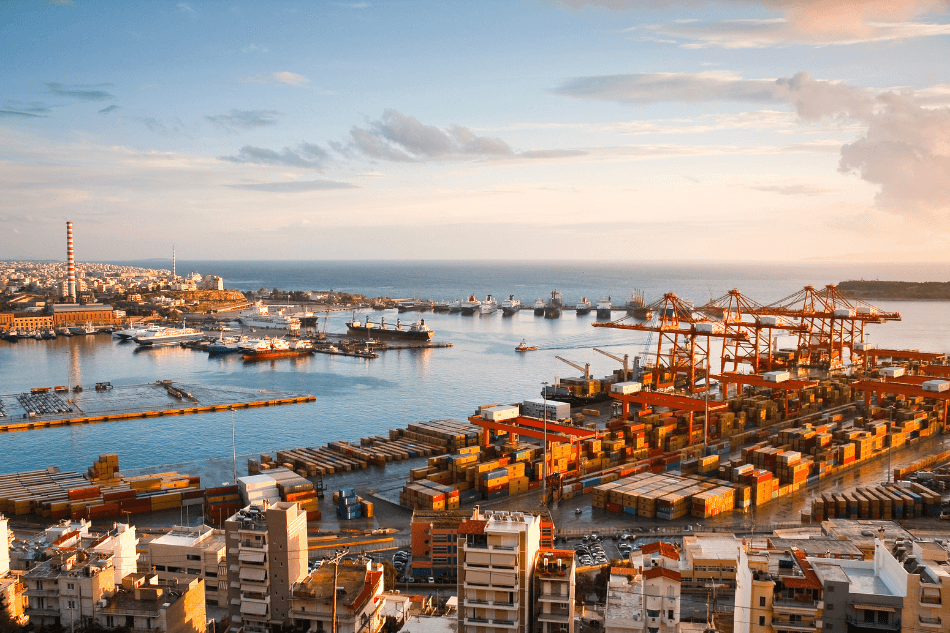
The U.S. East and Gulf Coast ports, key gateways for international trade, are at risk of a potential strike by port workers. If the strike materializes, it could severely disrupt supply chains, affecting industries from retail to manufacturing. This comes at a time when global trade is still recovering from the effects of the pandemic, ongoing geopolitical tensions, and labor shortages.
Reasons Behind the Strike
The potential strike is rooted in ongoing negotiations between the International Longshoremen's Association (ILA), which represents port workers, and port authorities regarding wage increases, benefits, and working conditions. With inflation and the rising cost of living, port workers are demanding better compensation and improved work conditions, especially given the long hours and the critical role they play in the supply chain.
The negotiations have reached an impasse, with neither side willing to concede, increasing the likelihood of labor action. A strike would affect major ports along the U.S. East and Gulf Coasts, including those in New York, Savannah, and Houston.
Impact on Global Supply Chains
The East and Gulf Coast ports are essential hubs for the movement of goods into and out of the U.S., handling everything from consumer products to industrial equipment. If these ports are shut down or slowed by a strike, it could create bottlenecks, delaying shipments and increasing costs for businesses and consumers alike. Industries that rely on just-in-time delivery models, such as automotive manufacturing, would be particularly vulnerable.
A prolonged strike could lead to a cascade of problems, from empty shelves in stores to production halts in factories, further straining an already fragile global supply chain.
Potential Economic Consequences
Economists warn that the strike could have ripple effects across the U.S. economy, exacerbating inflationary pressures by driving up shipping costs and contributing to delays in the availability of goods. With ports handling a significant portion of U.S. imports, any disruption could lead to higher prices for consumer goods, further straining household budgets.
Furthermore, U.S. exports, including agricultural products and energy supplies, could face delays, affecting global markets and potentially leading to diplomatic tensions with trade partners reliant on U.S. goods.
Custom Listing Styles
- Potential strike could affect major ports like New York, Savannah, and Houston.
- Disruption could impact industries dependent on imports, from retail to manufacturing.
- Higher shipping costs and delays likely to contribute to inflationary pressures.
- U.S. exports of agriculture and energy could be delayed, impacting global markets.
“Any disruption at U.S. ports could send shockwaves throughout the global supply chain, impacting businesses and consumers around the world,” said a supply chain expert.
With negotiations still ongoing, the possibility of a strike looms large. Should the strike take place, industries and consumers alike should brace for significant delays and higher costs as supply chains come under increased strain. The situation highlights the critical role that port workers play in maintaining the flow of goods that power the global economy.