
We Build Innovative Vessels and Outstanding Maritime Infrastructure.
We successfully cope with tasks of varying complexity, provide long-term guarantees and regularly master new technologies.
Get in touch
+90 538 556 55 08
+90 553 084 87 98
Aydıntepe Mahallesi 100.Yıl Caddesi Gülle Sokak No:14 Ofis: 2 Tuzla İstanbul Türkiye
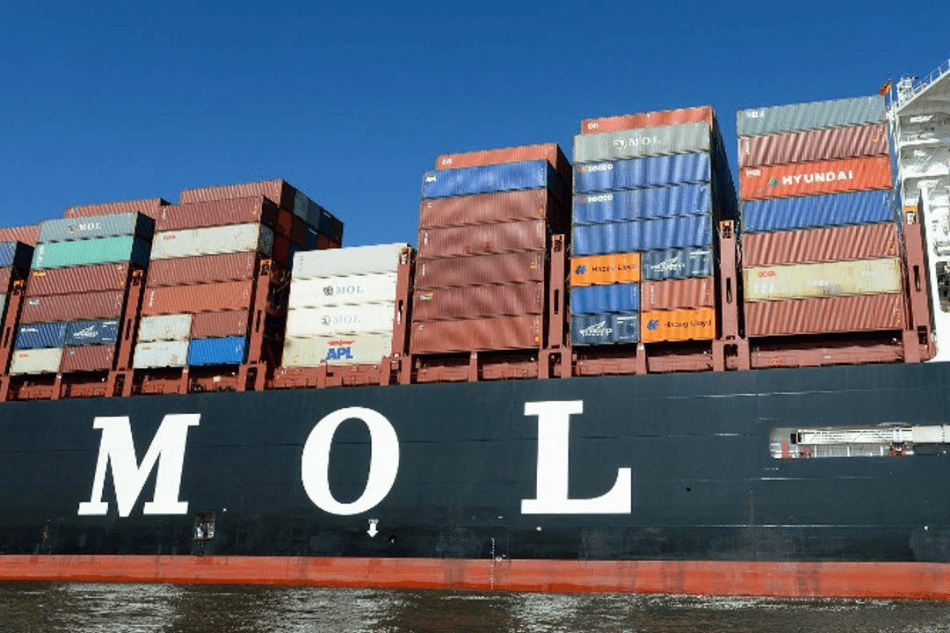
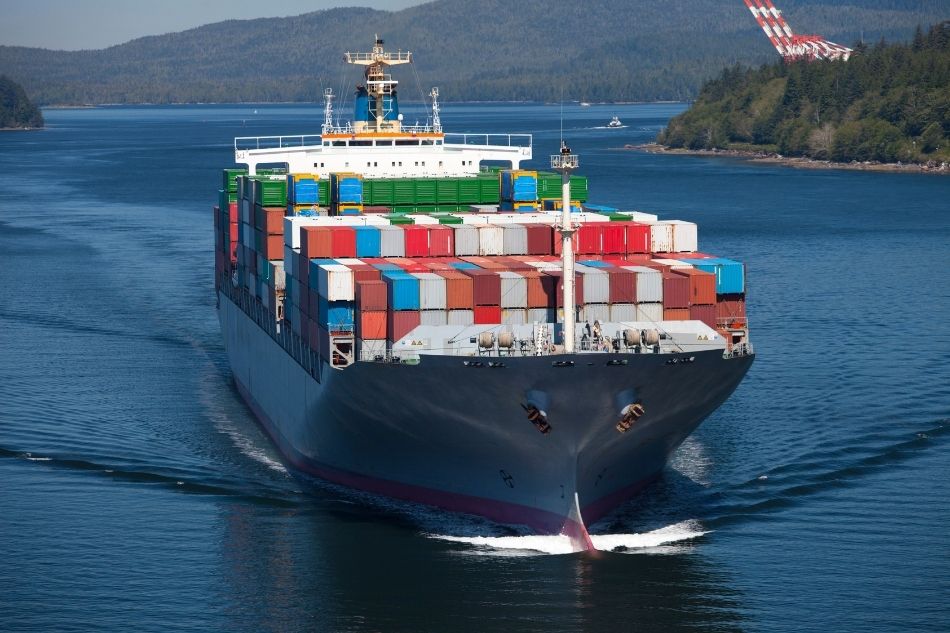
Meeting Sustainability Regulations in the Maritime Industry
New environmental regulations set by the International Maritime Organization (IMO) require shipping companies to cut greenhouse gas emissions by 40% by 2030. This blog post explores how maritime operators are embracing alternative fuels like LNG, hydrogen, and biofuels, and the retrofitting of vessels to comply with these standards while maintaining profitability.
Custom Listing Styles
- Using alternative fuels like biofuel and hydrogen.
- Retrofitting older vessels to meet emission standards.
- Sustainable ship designs for a greener future.
- Striking a balance between sustainability and profitability.
“The maritime industry is at the forefront of a greener future, leading the charge in reducing global carbon emissions.”
The adoption of these practices is crucial for the future of maritime transportation, as shipping companies are pressed to meet the evolving environmental demands while ensuring that costs do not spiral out of control.
What’s next?
As the global shipping industry moves toward zero emissions, the focus will shift to integrating more sustainable technologies, training seafarers to operate these newer systems, and innovating ship designs for a future where green shipping is the norm.