
We Build Innovative Vessels and Outstanding Maritime Infrastructure.
We successfully cope with tasks of varying complexity, provide long-term guarantees and regularly master new technologies.
Get in touch
+90 538 556 55 08
+90 553 084 87 98
Aydıntepe Mahallesi 100.Yıl Caddesi Gülle Sokak No:14 Ofis: 2 Tuzla İstanbul Türkiye
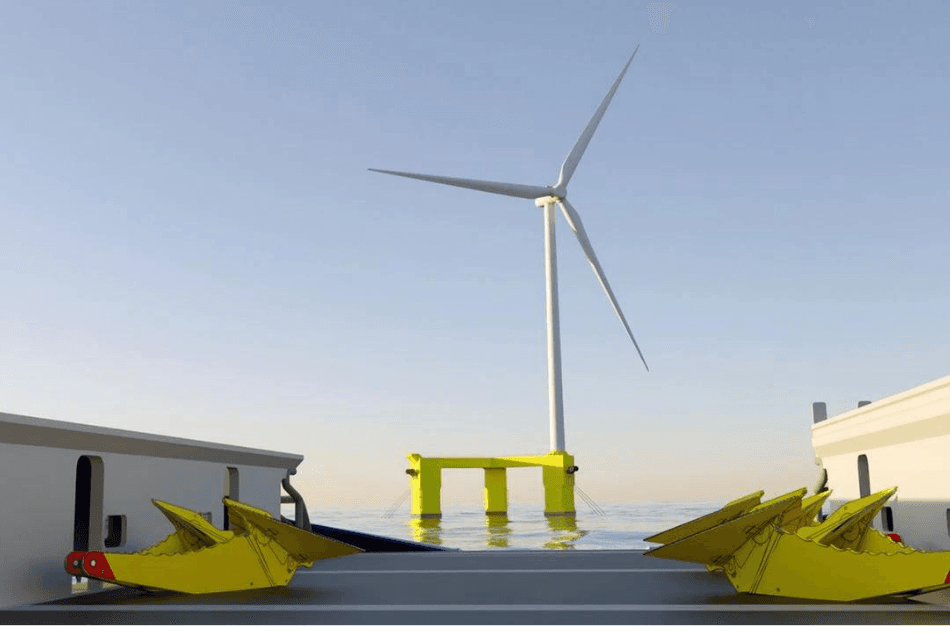
First Low-Carbon Floating Wind Installation Vessel Gets Funding from UK
The UK government has provided crucial funding for the construction of the world’s first low-carbon floating wind installation vessel, marking a milestone in both the maritime and renewable energy sectors. This initiative supports the UK’s broader commitment to achieving net-zero emissions by 2050, with offshore wind energy playing a central role in this transition. The funding underscores the UK's dedication to innovation in clean energy and maritime operations.
A New Era in Offshore Wind Installation
The low-carbon floating wind installation vessel is designed to transport and install massive floating wind turbines in deep offshore waters. Unlike traditional vessels that rely on fossil fuels, this cutting-edge ship will use cleaner technologies to reduce carbon emissions during operations. It is specifically engineered to handle the challenges of offshore environments, including strong winds and deep waters, which are essential for the large-scale deployment of floating wind farms.
UK Government’s Support for Clean Maritime Solutions
The funding from the UK government reflects the country’s ongoing investment in green maritime technologies. As part of the Clean Maritime Demonstration Competition, the development of this vessel will help drive forward both maritime sustainability and the expansion of the offshore wind sector, which is critical for meeting the UK’s renewable energy targets.
This low-carbon vessel will not only contribute to reducing emissions in the construction phase of wind farms but also promote the use of renewable energy, helping to decarbonize energy production in the long term.
Advantages of Floating Wind Technology
Floating wind farms offer a range of benefits compared to traditional offshore wind installations. They can be placed in deeper waters where wind speeds are higher and more consistent, leading to greater energy generation efficiency. By enabling the deployment of turbines in areas where fixed-bottom foundations are not feasible, floating wind farms unlock vast new areas for renewable energy production.
With the backing of the UK government, this new vessel will support the rapid expansion of floating wind farms, allowing the UK to harness more of its offshore wind potential while minimizing the carbon footprint associated with installation.
Custom Listing Styles
- UK funds first low-carbon floating wind installation vessel.
- Vessel to support deep-water offshore wind projects.
- Part of the UK’s commitment to net-zero by 2050 and clean maritime solutions.
- Floating wind farms increase energy generation in deeper waters.
“This is a game-changing innovation for both the maritime and renewable energy sectors. It ensures the UK remains at the forefront of clean energy and marine technology,” commented a government spokesperson.
This investment demonstrates the UK's leadership in clean energy innovation and its commitment to decarbonizing both maritime operations and energy generation. As the global demand for renewable energy grows, the development of this vessel is poised to play a critical role in the future of floating wind farms.